 Photo Credit: Houston Methodist
Health
Man thankful for second chance at life after pulmonary embolism
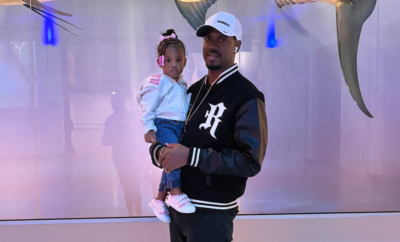
As families prepare to gather and give thanks this holiday season, 32-year-old Ryan Frederick is cherishing moments he nearly lost forever.

Last December, Frederick collapsed in his shower after developing a pulmonary embolism, a life-threatening blood clot that traveled to his lungs. He was unresponsive, so his girlfriend, Gabby Casimiro, called 911.
“I looked over and saw him starting to slide down,” Casimiro said. “He stopped responding, and suddenly everything changed. It was the scariest moment of my life.”
When first responders arrived, Frederick had no pulse. They started lifesaving efforts and rushed him to Houston Methodist Willowbrook Hospital. Once he arrived at the hospital, he suffered multiple cardiac arrests and went into biventricular failure.
Cardiologist Dr. Sanjay Kunapuli said that during a cardiac arrest the heart malfunctions and stops pumping blood, cutting off blood supply to vital organs. In Frederick’s case, both ventricles had failed, meaning both chambers of the heart were not pumping.
His care team stepped into action and used two devices that work as mechanical pumps for the heart, one designed for the right and one for the left chambers, while they worked to start his heart again.
“This is called a biventricular assist device, or a BIVAD, and is reserved for the sickest people,” Kunapuli said. “This technology supported both ventricles while we worked to restore his heart function, helping save his life and allowing him to return to a normal life.”
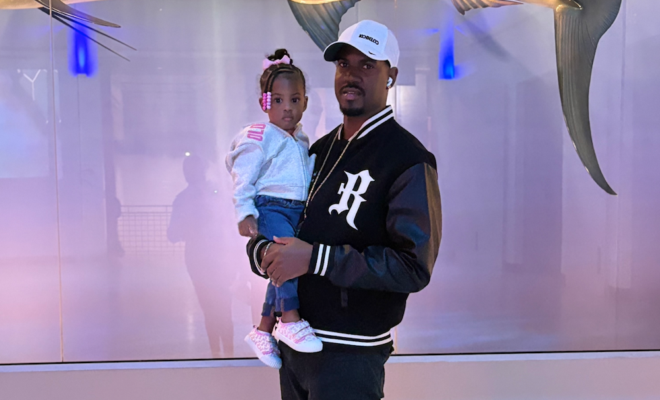
The father of a young daughter has little memory of the event.
“The last thing I remember was getting into the shower,” Frederick said. “When I woke up, I learned how close I came to not making it. It changes the way you look at everything.”
A few weeks earlier, Frederick underwent an unrelated procedure and spent much of his recovery resting in bed at home due to significant pain. Extended immobility following surgery can increase the risk of dangerous blood clots, according to the Centers for Disease Control and Prevention.
Nearly a year after the embolism, Frederick has returned to his normal activities and is focused on what matters most.
“Getting another chance at life means everything,” he said. “I get to watch my daughter grow up. I get to make more memories with my family. The little things don’t seem little anymore.”
Frederick hopes sharing his story will encourage others to recognize the importance of listening to their bodies, following recovery instructions after surgery and seeking medical attention when something feels wrong.
For more information about Houston Methodist, visit our newsroom.
Source: Houston Methodist